
Find a toy that fits the child, not just the label
ToyBloom helps you move from hundreds of choices to a smaller, safer shortlist. Start with age, then narrow by what the child can do now, the kind of play you want to support, and the product's actual safety guidance.
Four ways into the ToyBloom library
Use the path that matches your question right now. You can always switch later.

Browse by age
Baby through 4 years, with age used as a starting point rather than a pass-fail rule.

Find puzzles, sensory toys, stacking sets and more

Browse by the kind of play you want to support
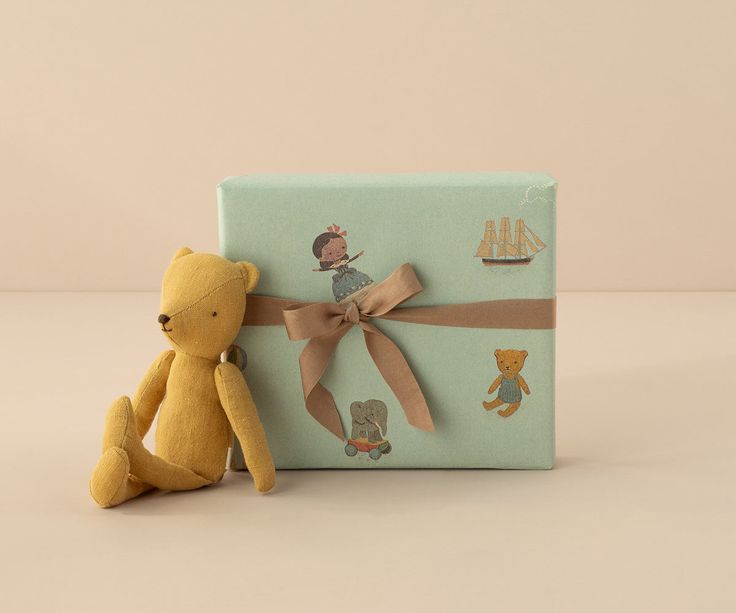
Shop by age, occasion and budget
Learn what the label really means
Follow the play as it changes
Each age guide focuses on the kinds of actions children may be ready to explore, while keeping manufacturer age grading and individual differences in view.
Months
Grasp, reach, shake, mouth safely, transfer and explore simple cause and effect.
Open guide →Year old
Post, stack, pull, push, retrieve and repeat clear actions.
Open guide →Year olds
Sort, match, imitate, pour, carry and begin more deliberate pretend play.
Open guide →Year olds
Build, puzzle, tell stories, lace, create and work through longer sequences.
Open guide →Year olds
Explore construction, early literacy, geometry, art and richer imaginative play.
Open guide →From a huge search to a useful shortlist
Age
Use age to filter obvious safety and complexity mismatches.
Current ability
What can the child already grasp, post, stack, match, carry, turn or build?
Play goal
Choose one useful action or type of play instead of chasing a vague “educational” label.
Safety check
Confirm the current listing, age grade, small-parts risk, hardware and recall status before buying.
The child can understand what to try.
The material shows what happened.
The activity remains worth returning to.
Effortful without being impossible.
Start with the kind of play you want more of
Fine motor
Posting, threading, turning, grasping, lacing and transfer activities.
02Language-rich play
Naming, matching, storytelling, listening and shared attention.
03Problem-solving
Matching, orientation, sequencing, mechanisms and part-to-whole play.
04Gross motor
Climbing, balancing, stepping, pushing, throwing and ride-on play.
05Independent play
Clear, repeatable activities that need less adult direction over time.
06Sensory play
Tactile, auditory, visual and movement-based exploration.
Buying for someone else?
Skip the endless scroll. Start with the child's age or your budget, then use the guide as a shortlist rather than treating old marketplace pricing as a live guarantee.
Go beyond the product list
These guides help you build a calmer play environment instead of simply buying more toys.

How to set up a Montessori play space at home
Create visible choices, child-height storage and room for focused play.

Rotate for clarity, not novelty
Use a smaller visible selection without forcing a rigid weekly schedule.

Choose the hand action, not the marketing claim
Grasp, thread, post, turn and transfer with clear age-appropriate tasks.
When you already know what kind of toy you want
Wooden toys
Compare design, construction, finish and play value without treating wood as automatically superior.
PPuzzles
Move from simple inset puzzles to more complex framed and floor puzzles.
SStacking and sorting
Explore order, size, fit and classification through hands-on play.
OOpen-ended play
Blocks, loose parts, figures and construction materials with many possible outcomes.
SESensory toys
Calmer tactile, auditory, visual and movement experiences.
+All toy types
See the complete ToyBloom toy-type hub.
What ToyBloom should say carefully
A retail toy page can describe the action, design and likely play opportunities. It should not pretend that one product guarantees a neurological, academic or therapeutic outcome.
Manufacturer guidance beats blog copy
Before buying, confirm the exact product's age grading, warnings, loose components and current recall status. Marketplace listings and product variants can change.
Product Safety Australia kids' toys guide →
Mandatory standard →
Check current recalls →
Montessori toy FAQs
Straightforward answers without fake trust claims, rigid toy counts or “wood is always better” messaging.
What makes a toy Montessori-style?+
A Montessori-style toy usually has a clear purpose, invites active hands-on use, limits unnecessary distractions and gives the child a meaningful problem or action to repeat. Material alone does not make a toy Montessori-style.
Are wooden toys always better?+
No. Wood can be durable and pleasant to use, but play value depends more on design, safety, age fit and how the child uses the toy than on material alone.
How should I choose a toy by age?+
Use age as a safety and difficulty starting point, then look at the child's actual abilities and interests. A slightly simpler toy that matches the child can be more useful than an advanced one chosen only from an age label.
How many toys should be available at once?+
There is no universal number. A smaller visible selection can make choices easier for some toddlers. Rotate only when the shelf feels cluttered or several materials are being ignored.
Do Montessori toys need batteries?+
No. Many Montessori-style activities are battery-free because the child creates the action. However, battery-free is not a quality guarantee by itself.
Where can Australian families check toy safety?+
Use the current manufacturer instructions and the Australian Government Product Safety website for official toy guidance, mandatory standards and recalls.